What Is Screen Printing? A Complete Beginner’s Guide
Screen printing is one of the most popular and widely used printing techniques in the apparel industry. From custom t-shirts and hoodies to tote bags and promotional merchandise, screen printing is known for producing vibrant, durable, and high-quality designs.
Whether you’re starting a clothing brand or simply curious about how custom apparel is made, understanding screen printing can help you appreciate why it remains a preferred printing method worldwide.
In this guide by Orange Clothes, we’ll explain what screen printing is, how it works, its advantages, required materials, and how it compares to other printing methods.
What Is Screen Printing?
Screen printing, also known as silk screen printing, is a printing process that uses a mesh screen, ink, and a stencil to transfer a design onto a surface.
The process works by pushing ink through specific areas of a mesh screen onto a material such as fabric, paper, plastic, glass, or metal. Areas that should not receive ink are blocked by a stencil, allowing the design to appear only where desired.
Because each color requires its own screen, screen printing is especially effective for bold, colorful designs and large production runs.
How Does Screen Printing Work?
The screen printing process involves several important steps:
Step 1: Create the Design
The artwork is first prepared digitally and separated by colors. Each color layer will eventually require its own screen.
Step 2: Prepare the Screen
A fine mesh screen is coated with a light-sensitive emulsion and allowed to dry.
Step 3: Expose the Design
The design is placed onto the coated screen and exposed to a strong light source. The exposed emulsion hardens while the design area remains soft.
Step 4: Wash Out the Stencil
The unhardened emulsion is washed away, creating open areas where ink can pass through.
Step 5: Print the Design
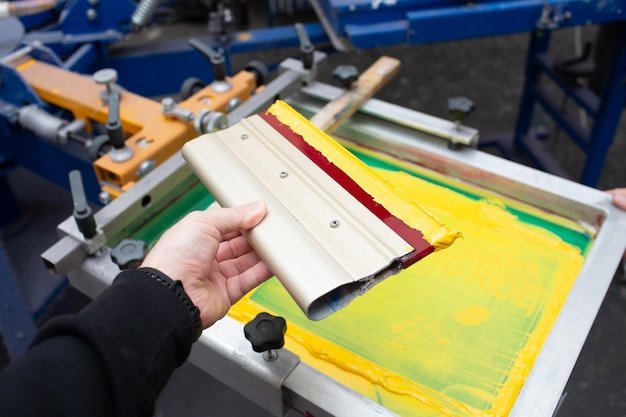
The screen is placed over the printing surface and ink is applied. A squeegee pushes the ink through the open mesh areas onto the material below.
Step 6: Cure the Ink
The printed item is heated using specialized equipment to permanently bond the ink to the material.
Step 7: Quality Inspection
The finished product is checked for color accuracy, print quality, and durability before packaging.
Why Is Screen Printing So Popular?
Screen printing remains one of the most trusted printing methods because it offers several advantages.
Vibrant Colors
Screen printing produces rich, bright colors that stand out on both light and dark garments.
Long-Lasting Prints
When properly cured, screen-printed designs can withstand repeated washing and daily wear without fading or cracking.
Cost-Effective for Bulk Orders
The larger the order quantity, the more affordable screen printing becomes, making it ideal for businesses, events, and clothing brands.
Works on Various Materials
Screen printing can be used on:
T-Shirts
Hoodies
Sweatshirts
Tote Bags
Posters
Stickers
Glass
Metal
Plastic Products
Materials Needed for Screen Printing
Several essential materials are required for successful screen printing.
Screen
A mesh screen stretched tightly over a frame that holds the stencil.
Squeegee
A rubber blade used to push ink through the screen.
Ink
Specialized screen printing inks designed for different materials and applications.
Emulsion
A light-sensitive coating used to create the stencil on the screen.
Printing Surface
The item being printed, such as fabric, paper, or other materials.
Types of Screen Printing Inks
Different inks are used depending on the desired finish and application.
Plastisol Ink
The most common screen printing ink.
Benefits include:
Vibrant colors
Excellent durability
Easy application
Water-Based Ink
Provides a softer feel and environmentally friendly option.
Benefits include:
Lightweight finish
Soft touch
Breathable prints
Discharge Ink
Used primarily on dark garments to create soft and vibrant designs.
Specialty Inks
These include:
Metallic inks
Puff inks
Glow-in-the-dark inks
Reflective inks
Advantages of Screen Printing
Screen printing offers several benefits for clothing brands and businesses.
High Quality
Produces sharp details and solid color coverage.
Durability
Prints remain vibrant even after repeated washing.
Versatility
Suitable for a wide range of materials and products.
Scalability
Ideal for large-volume production runs.
Customization
Allows for unique effects, textures, and specialty finishes.
DIY Screen Printing vs Professional Screen Printing
DIY Screen Printing
Suitable for:
Hobby projects
Small personal orders
Learning the process
Advantages:
Lower startup cost
Creative flexibility
Hands-on experience
Disadvantages:
Limited production capacity
Less consistent quality
More time-consuming
Professional Screen Printing
Suitable for:
Clothing brands
Business merchandise
Bulk orders
High-quality commercial products
Advantages:
Professional results
Consistent quality
Faster production
Access to advanced equipment
Is Screen Printing Better Than Digital Printing?
The answer depends on your needs.
Screen Printing Is Best For:
Large order quantities
Bold and vibrant colors
Long-lasting prints
Simple to moderately complex designs
Digital Printing Is Best For:
Small orders
Highly detailed artwork
Photographic images
Multiple color gradients
Many successful apparel brands use both methods depending on the project requirements.
Is Screen Printing Good for Clothing Brands?
Absolutely.
Most successful clothing brands use screen printing because it provides:
Premium quality
Professional appearance
Excellent durability
Cost-effective bulk production
For startups and established fashion brands alike, screen printing remains one of the most reliable printing methods available.
Final Thoughts
Screen printing continues to be one of the most effective and trusted printing techniques in the apparel industry. Its ability to produce vibrant colors, durable designs, and cost-effective bulk production makes it a preferred choice for clothing brands, businesses, and artists.
At Orange Clothes, we understand the importance of high-quality printing in creating apparel that customers love. Whether you’re launching your own clothing brand or ordering custom merchandise, screen printing remains an excellent solution for achieving professional and long-lasting results.