How to Choose the Best Activewear Fabrics for Your Apparel Brand
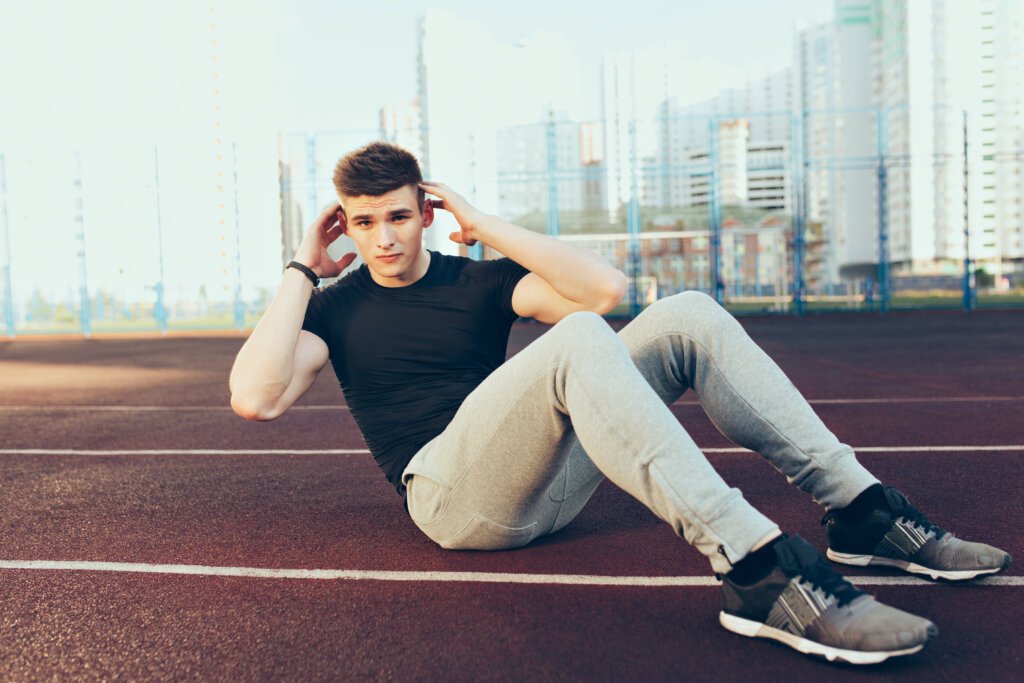
The activewear industry has grown far beyond the gym. Thanks to the rise of athleisure fashion, people now wear activewear in their daily lives, whether they are running errands, traveling, or even styling sportswear with casual and semi-formal outfits. As a result, choosing the right fabric for your activewear collection is one of the most important decisions for any apparel brand.
At Orange Clothes, we understand that high-quality fabrics are the foundation of comfortable, durable, and performance-driven activewear. Whether you are launching a fitness brand or expanding your sportswear collection, selecting the right material can make a significant difference in customer satisfaction and brand success.
Why Fabric Selection Matters in Activewear
Nobody wants to exercise in clothing that feels heavy, traps sweat, or restricts movement. The ideal activewear fabric should offer:
Breathability
Moisture-wicking performance
Flexibility and stretch
Durability
Comfort
Protection from environmental conditions
The right fabric enhances performance while ensuring athletes and fitness enthusiasts stay comfortable throughout their workouts.
Best Fabrics for Activewear
1. Cotton
Cotton remains a popular choice due to its natural softness and comfort. It is breathable and helps reduce odor buildup compared to some synthetic materials.
Advantages:
Soft and comfortable
Natural and breathable
Odor-resistant
Limitations:
Absorbs moisture
Dries slowly compared to synthetic fabrics
Cotton is suitable for light workouts and casual athleisure wear but may not be the best choice for high-intensity training.
2. Polyester
Polyester is one of the most widely used fabrics in modern sportswear. It is lightweight, durable, and designed to manage moisture effectively.
Advantages:
Quick-drying
Lightweight
Durable
Wrinkle-resistant
Cost-effective
Best For:
Gym wear
Running apparel
Sports jerseys
Performance activewear
Polyester remains a preferred fabric for many leading athletic brands because of its excellent balance of performance and affordability.
3. Spandex (Elastane)
Spandex is known for its exceptional stretch and flexibility. It is commonly blended with other fabrics to improve comfort and mobility.
Advantages:
Excellent elasticity
Provides body support
Allows unrestricted movement
Best For:
Leggings
Compression wear
Yoga apparel
Fitness clothing
Most activewear garments include a percentage of spandex to improve fit and performance.
4. Bamboo Fiber
Bamboo fabric has gained popularity as a sustainable and eco-friendly alternative.
Advantages:
Ultra-soft texture
Naturally breathable
Moisture-wicking
UV protection
Anti-static properties
Best For:
Premium activewear
Yoga clothing
Sustainable apparel collections
Bamboo offers both comfort and functionality, making it an excellent option for modern sportswear brands.
5. Microfiber
Microfiber consists of extremely fine synthetic fibers that deliver superior softness and moisture absorption.
Advantages:
Lightweight
Highly absorbent
Soft texture
Durable
Best For:
Sports towels
Tracksuits
Performance apparel
Its premium feel makes it popular for high-end activewear products.
6. Nylon
Nylon is another leading activewear fabric known for its strength and flexibility.
Advantages:
Quick-drying
Stretchable
Lightweight
Mildew-resistant
Highly durable
Best For:
Leggings
Sports bras
Running apparel
Compression garments
Nylon provides a smooth finish and excellent durability, making it ideal for performance-focused sportswear.
Key Factors to Consider When Choosing Activewear Fabrics
Durability
Activewear should withstand frequent stretching, washing, and intense physical activity without losing shape or performance.
Breathability
Breathable fabrics improve airflow and help regulate body temperature during workouts.
Comfort
Comfort directly impacts athletic performance. Fabrics should feel soft against the skin and provide a proper fit.
Moisture Management
Moisture-wicking fabrics pull sweat away from the body, helping athletes stay dry and comfortable.
Flexibility
Stretchable fabrics allow a full range of motion for activities such as yoga, running, and strength training.
Protection
For outdoor activities, fabrics should provide protection against UV rays, wind, and varying weather conditions.
What Is the Best Material for Gym Clothes?
The best gym clothing often combines multiple fabrics to maximize performance.
A common combination includes:
Polyester for moisture management
Spandex for flexibility
Nylon for durability and comfort
This blend provides the perfect balance of breathability, stretch, support, and long-lasting performance.
Final Thoughts
Choosing the right activewear fabric is essential for creating sportswear that meets customer expectations. Whether your focus is durability, flexibility, moisture management, or sustainability, selecting the right material will help your brand stand out in a competitive market.
At Orange Clothes, we specialize in manufacturing premium-quality activewear and custom apparel using carefully selected fabrics that deliver performance, comfort, and style. By understanding the strengths of each fabric type, apparel brands can create products that athletes and everyday consumers will love to wear.
Ready to create your next activewear collection? Orange Clothes is here to help bring your vision to life with high-quality manufacturing solutions tailored to your brand.