The Ultimate Guide to Different Types of Sports Bras
A sports bra is one of the most important pieces of activewear for women. Whether you’re running, lifting weights, practicing yoga, or participating in high-intensity workouts, the right sports bra can significantly improve comfort, support, and performance.
Unlike regular bras, sports bras are specifically designed to reduce breast movement, minimize discomfort, and provide proper support during physical activity. With so many styles available, choosing the right sports bra can be challenging, especially for fitness brands, activewear startups, and consumers looking for the perfect fit.
In this comprehensive guide, Orange Clothing explores the different types of sports bras, their benefits, and how to choose the right option for every activity level.
Why Sports Bras Are Important
During physical activity, breast tissue moves in multiple directions. Without adequate support, this movement can cause:
Discomfort and pain
Skin irritation
Reduced workout performance
Long-term stretching of breast ligaments
A properly fitted sports bra helps minimize movement while providing comfort, stability, and confidence during exercise.
Different Types of Sports Bras
Sports bras are available in various designs, each offering different levels of support and functionality.
1. Pullover Sports Bras
Pullover sports bras are among the simplest designs available.
Features:
No hooks or closures
Elastic support band
Easy to wear
Lightweight construction
Best For:
Yoga
Stretching
Walking
Everyday comfort
These bras provide light support and are generally ideal for smaller bust sizes and low-impact activities.
2. Racerback Sports Bras
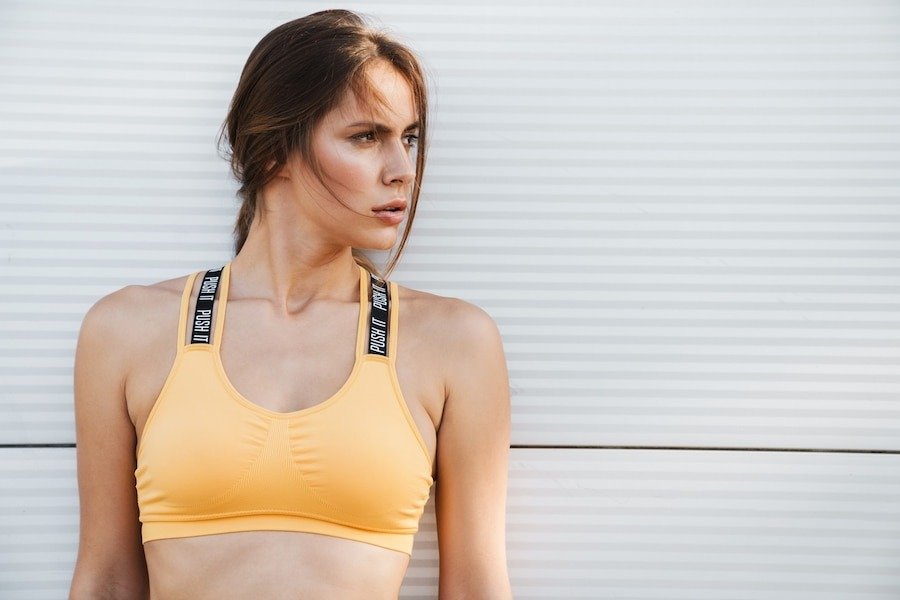
Racerback sports bras are one of the most popular activewear styles.
Features:
Straps join between the shoulder blades
Enhanced upper-body support
Improved weight distribution
Secure fit during movement
Best For:
Running
Gym workouts
HIIT training
CrossFit
Racerback designs offer excellent support and stability for medium to high-impact activities.
3. Criss-Cross Back Sports Bras
Criss-cross sports bras combine performance with style.
Features:
Crossed back straps
Stylish appearance
Enhanced support
Improved weight distribution
Best For:
Gym training
Yoga
Pilates
Athleisure wear
These bras are popular among women seeking both functionality and fashionable activewear.
4. Zip-Front Sports Bras
Zip-front sports bras provide convenience and easy wearability.
Features:
Front zipper closure
Easy on-and-off access
Secure locking mechanism
Comfortable fit
Best For:
Everyday workouts
Recovery periods
Women seeking easier dressing options
They are especially popular among women who prefer not to pull sports bras over their heads.
5. High-Neck Sports Bras
High-neck sports bras offer additional coverage and support.
Features:
Extended neckline
Full chest coverage
Enhanced stability
Modern appearance
Best For:
High-impact training
Running
Fitness classes
Larger bust sizes
The added coverage helps minimize movement during intense exercise.
6. Low-Cut Sports Bras
Low-cut sports bras provide a more open neckline.
Features:
Breathable design
Lightweight feel
Stylish appearance
Best For:
Low-impact workouts
Casual activewear
Layering with workout tops
They are often chosen for comfort and aesthetic appeal.
7. Compression Sports Bras
Compression sports bras are designed to press breast tissue firmly against the chest.
Features:
Compresses breasts against the body
Reduces movement
Lightweight construction
Wire-free support
Best For:
Small to medium bust sizes
Running
Fitness training
Aerobic activities
Compression bras are among the most common sports bra styles available today.
8. Encapsulation Sports Bras
Encapsulation sports bras support each breast individually.
Features:
Separate molded cups
Improved shape
Enhanced support
Reduced bounce
Best For:
Medium to large bust sizes
Running
High-impact sports
Long workout sessions
These bras are often preferred by women who require greater support.
9. Compression-Encapsulation Sports Bras
This style combines the benefits of both support systems.
Features:
Individual cup support
Compression technology
Maximum stability
Reduced movement
Best For:
High-impact activities
Large bust sizes
Competitive sports
These sports bras provide some of the highest support levels available.
Sports Bras by Impact Level
One of the easiest ways to select a sports bra is by activity intensity.
Low-Impact Sports Bras
Designed for activities involving minimal movement.
Suitable For:
Yoga
Stretching
Pilates
Walking
Medium-Impact Sports Bras
Offer moderate support for more active workouts.
Suitable For:
Cycling
Hiking
Strength training
Dance fitness
High-Impact Sports Bras
Provide strong support during vigorous exercise.
Suitable For:
Running
HIIT workouts
Tennis
Aerobics
Extreme-Impact Sports Bras
Designed for maximum breast stabilization.
Suitable For:
Basketball
Competitive athletics
Sprinting
Intense sports training
Underwired vs Wire-Free Sports Bras
Underwired Sports Bras
Underwired sports bras provide:
Enhanced shaping
Additional support
Improved separation
These are often recommended for larger bust sizes.
Wire-Free Sports Bras
Wire-free sports bras focus on comfort.
Benefits:
Reduced pressure
Greater flexibility
Comfortable all-day wear
Modern wire-free designs can still offer excellent support for many activities.
Padded vs Non-Padded Sports Bras
Padded Sports Bras
Benefits include:
Enhanced shape
Added modesty
Extra comfort
Non-Padded Sports Bras
Benefits include:
Lightweight feel
Less bulk
Increased breathability
The choice depends on personal preference and intended use.
Sports Bras for Different Body Types
Full-Busted Sports Bras
Designed specifically for larger cup sizes.
Features often include:
Wider straps
Stronger bands
Enhanced support systems
Encapsulation technology
Plus-Size Sports Bras
Offer comfort and support for curvier body shapes while maintaining freedom of movement.
Teen Sports Bras
Provide gentle support for developing bodies and active lifestyles.
Key Features to Look for in a Sports Bra
Adjustable Straps
Allow a customized fit and improve long-term comfort.
Moisture-Wicking Fabric
Helps keep the body dry by moving sweat away from the skin.
Popular fabrics include:
Polyester blends
Nylon blends
Spandex fabrics
Adjustable Back Closures
Provide flexibility and improve fit customization.
Breathability
Mesh panels and ventilation zones help improve airflow during exercise.
Supportive Band
The band should fit securely around the ribcage without causing discomfort.
How to Care for Sports Bras
Proper care helps maintain support and extend garment life.
Wash After Every Workout
Sweat and bacteria can damage fabric over time.
Use Cold Water
Cold water helps preserve elasticity and fabric quality.
Air Dry When Possible
Avoid excessive heat, which can weaken elastic fibers.
Avoid Fabric Softeners
Fabric softeners can reduce moisture-wicking performance.
Replace When Support Declines
If the bra becomes stretched, uncomfortable, or loses support, it may be time for a replacement.
How Often Should You Replace a Sports Bra?
Most sports bras should be replaced every 6 to 12 months, depending on:
Frequency of use
Washing habits
Workout intensity
Fabric quality
Signs that replacement is needed include:
Loose bands
Reduced support
Stretched straps
Visible fabric wear
Final Thoughts
Choosing the right sports bra is essential for comfort, performance, and long-term support. From compression and encapsulation designs to low-impact and high-impact models, each style serves a specific purpose and activity level.
At Orange Clothing, understanding different types of sports bras helps activewear brands and consumers make informed decisions when selecting products that balance support, comfort, functionality, and style. Whether you’re launching a fitness apparel collection or searching for the perfect workout companion, investing in the right sports bra can make a significant difference in every workout experience.