How to Start a Clothing Brand and Build a Successful Fashion Business in 2026
Launching a clothing brand has become one of the most exciting business opportunities for entrepreneurs in 2026. With the growth of eCommerce, social media marketing, and print-on-demand services, starting a fashion brand is more accessible than ever. However, building a profitable clothing business requires more than just designing attractive apparel. Success comes from creating a strong brand identity, understanding your target audience, sourcing quality products, and implementing effective marketing strategies.
This guide explains everything you need to know about starting a clothing brand and turning it into a successful business.
What Is a Clothing Brand?

A clothing brand is more than a collection of garments. It represents a unique identity, style, and message that connects with a specific audience. Successful fashion brands create products that reflect the values, lifestyle, and preferences of their customers.
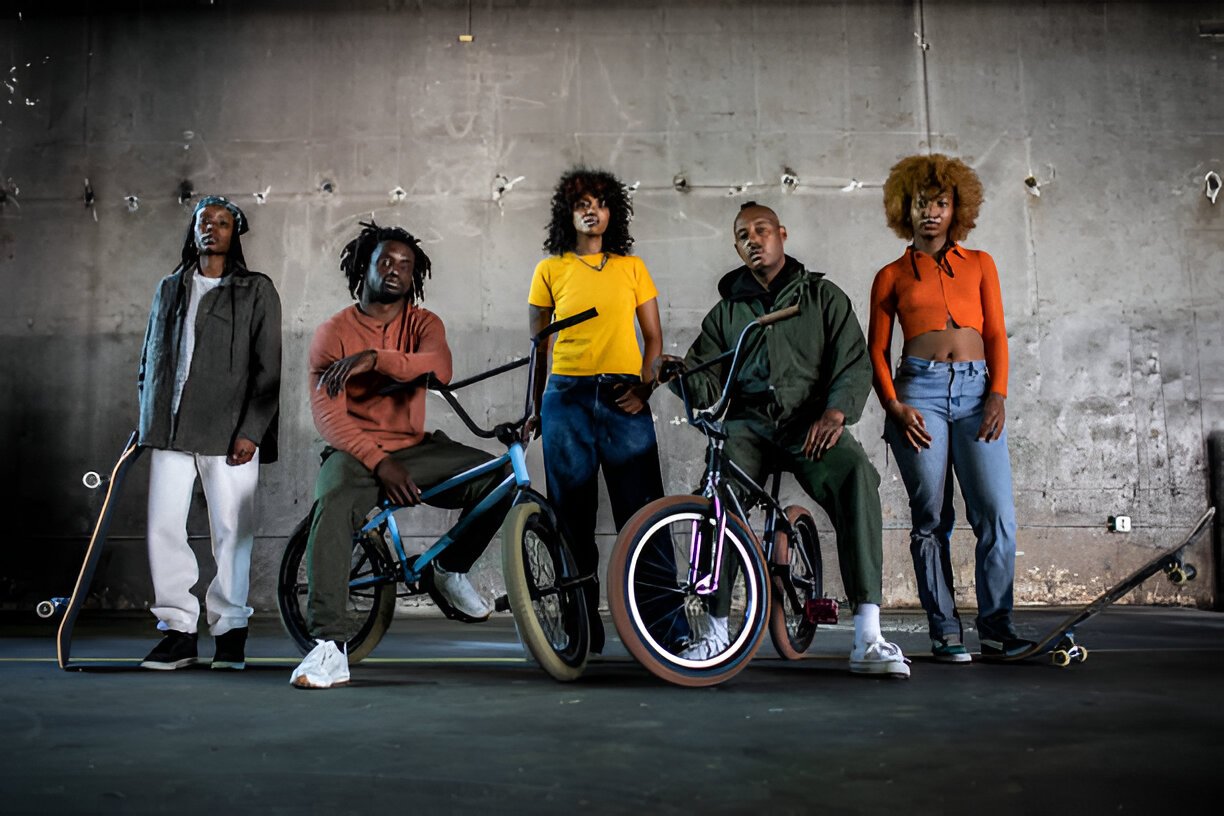
Whether you focus on streetwear, casual fashion, activewear, or premium apparel, your brand should offer a clear reason why customers should choose your products over competitors.
Understanding the Modern Clothing Business Model
The fashion industry has evolved significantly over the past decade. Today, most successful clothing brands operate through direct-to-consumer (DTC) business models, allowing them to sell directly through online stores without relying heavily on traditional retail channels.
This approach provides several advantages:
- Higher profit margins
- Better control over branding
- Direct customer relationships
- Faster product launches
- Greater flexibility in marketing
However, maintaining product quality, customer satisfaction, and brand consistency remains essential for long-term success.
How to Start a Clothing Brand Step by Step
Step 1 – Identify Your Target Market
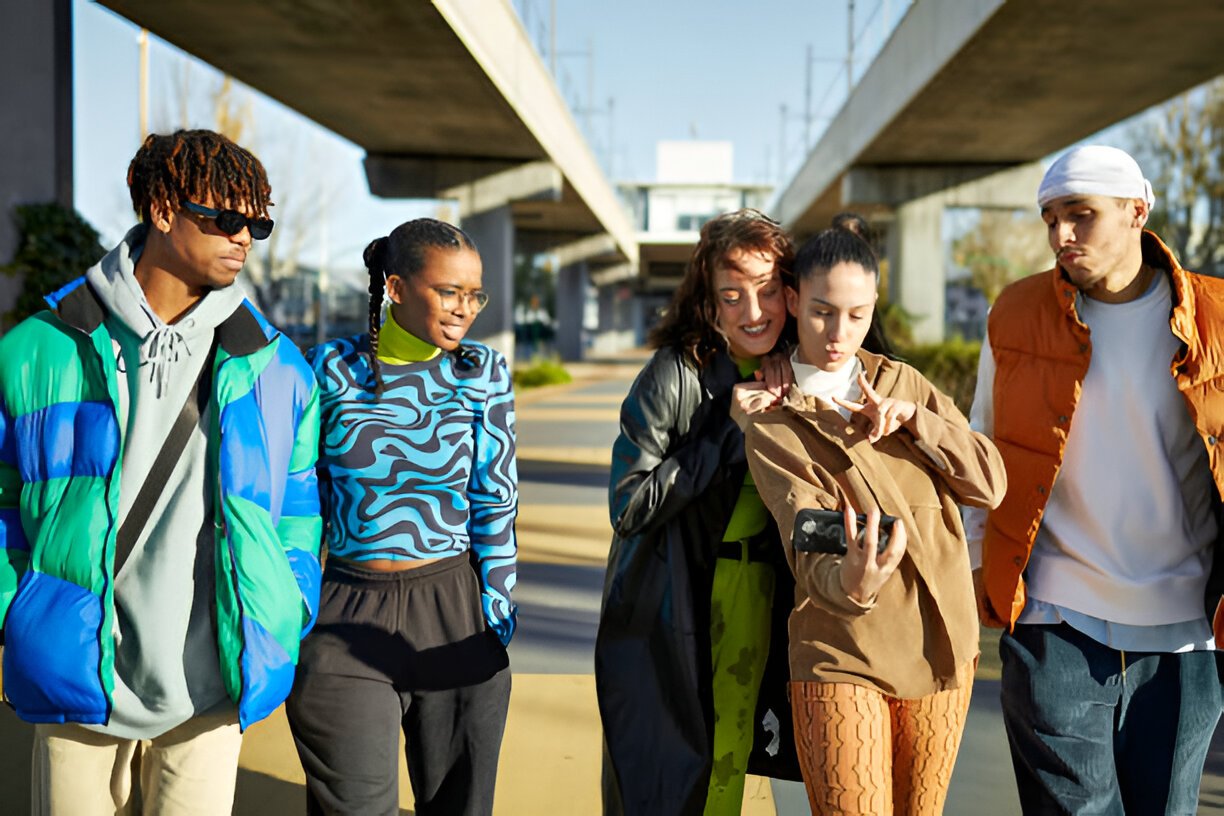
Before creating products, you must determine who your ideal customers are. Understanding your audience helps guide every business decision, from product design to marketing campaigns.
Consider factors such as:
- Age group
- Gender
- Lifestyle
- Fashion preferences
- Income level
- Shopping behavior
A clearly defined audience makes it easier to create products that resonate with potential customers.
Step 2 – Create a Strong Brand Identity
Your brand identity is the foundation of your business. It includes your logo, color palette, typography, brand message, and overall visual presentation.
Ask yourself:
- What does your brand stand for?
- What makes it different?
- What emotions should customers associate with it?
A consistent brand identity helps build trust and recognition in a competitive market.

Step 3 – Choose Your Product Line
Start with a focused collection instead of offering too many products at once. Popular options include:
- T-Shirts
- Hoodies
- Sweatshirts
- Joggers
- Jackets
- Caps
Launching with a smaller collection allows you to test demand while keeping production costs manageable.
Step 4 – Source Quality Materials and Manufacturing
Product quality plays a major role in customer satisfaction and repeat purchases.
When selecting suppliers and manufacturers, consider:
- Fabric quality
- Production capabilities
- Minimum order quantities (MOQs)
- Delivery timelines
- Custom branding options
Reliable manufacturing partners help ensure consistency as your business grows.
Step 5 – Design and Develop Your Collection
Create designs that align with your brand identity and appeal to your target audience.
Focus on:
- Unique graphics
- Comfortable fits
- Premium materials
- Attention to detail
Before production, prepare detailed specifications to ensure your products are manufactured accurately.
Step 6 – Test Samples Before Production
Always review product samples before placing bulk orders.
Evaluate:
- Fabric feel
- Fit and sizing
- Stitching quality
- Print durability
- Overall appearance
Making adjustments during the sampling stage can prevent costly mistakes later.

Step 7 – Build Your Online Store
An eCommerce website serves as the central hub of your clothing brand.
Key features should include:
- Mobile-friendly design
- Fast loading speed
- Professional product photography
- Secure checkout process
- Clear shipping information
Platforms like Shopify and WooCommerce make it easy to launch and manage an online clothing store.
Step 8 – Develop a Marketing Strategy
Marketing is essential for attracting customers and building brand awareness.
Effective channels include:
Social Media Marketing
Platforms such as Instagram, TikTok, and Facebook allow fashion brands to showcase products and engage directly with customers.
Influencer Collaborations
Partnering with influencers can help increase visibility and credibility within your niche.
Content Marketing
Publishing blogs, style guides, and fashion-related content improves SEO and drives organic traffic to your website.
Email Marketing
Building an email list allows you to promote new product launches, special offers, and exclusive discounts.
Step 9 – Scale Your Clothing Brand
As sales increase, focus on scaling strategically.
Growth opportunities may include:
- Expanding product categories
- Increasing inventory levels
- Entering new markets
- Collaborating with creators
- Improving customer retention
Maintaining quality and customer satisfaction should remain a priority during every stage of growth.
How Much Does It Cost to Start a Clothing Brand?
The cost of launching a clothing brand varies depending on your business model.
Typical startup expenses include:
- Logo and branding: $100–$1,000
- Website setup: $100–$500
- Product samples: $200–$2,000
- Initial inventory: $500–$10,000+
- Marketing budget: $300–$5,000+
Many entrepreneurs start with a few hundred dollars using print-on-demand services, while custom-manufactured collections may require several thousand dollars in initial investment.
Frequently Asked Questions
Is Starting a Clothing Brand Profitable?
Yes. A successful clothing brand can generate strong profit margins when supported by quality products, effective branding, and smart marketing. Long-term profitability depends on customer loyalty, operational efficiency, and consistent product quality.
What Products Should New Clothing Brands Sell First?
Most new brands begin with T-shirts and hoodies because they are affordable to produce, easy to customize, and consistently popular among consumers.
Do I Need Inventory to Start a Clothing Brand?
Not necessarily. Print-on-demand services allow entrepreneurs to sell products without purchasing inventory upfront. However, custom manufacturing provides greater control over quality and branding.
Key Takeaways
Building a successful clothing brand requires careful planning, strong branding, quality products, and effective marketing. By understanding your audience, creating a unique identity, and maintaining high standards, you can establish a fashion business that grows sustainably over time.
Whether you’re launching a streetwear label, casual fashion line, or premium apparel brand, focusing on quality and customer experience will help Orange Clothing stand out in the competitive fashion industry.